
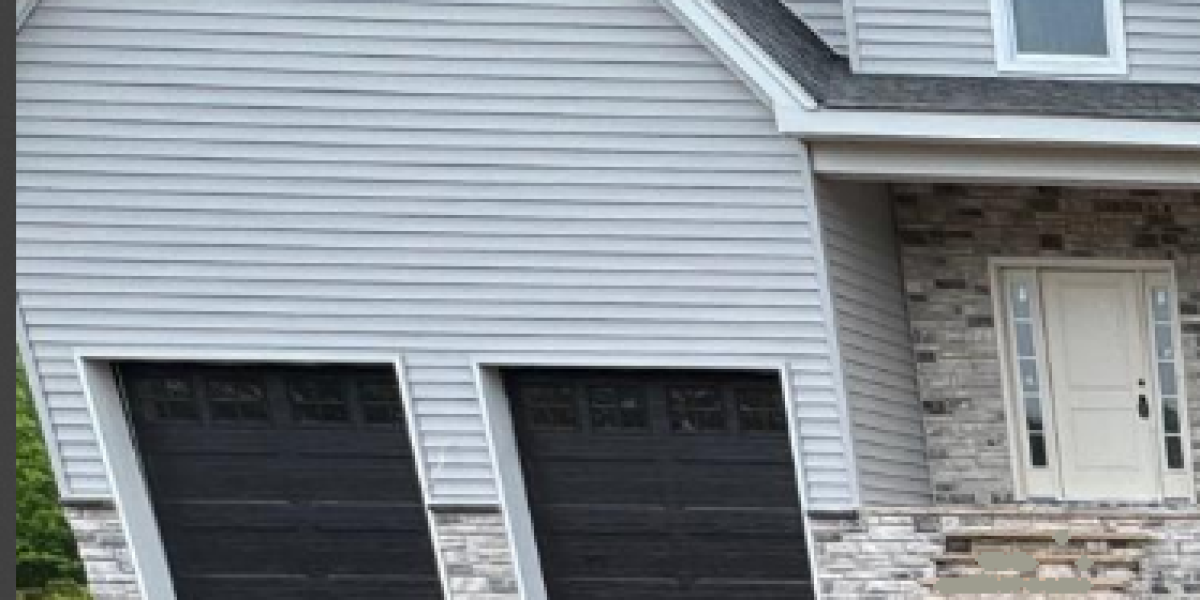
Check your home’s architecture.
Start by looking at your home’s overall design — whether it’s traditional, colonial, modern, or carriage-house style. Consider how the garage door will match your roofline, windows, and facade.
Decide on a style.
Choose a style that complements your home’s design — traditional, carriage house, or modern. Each style creates a different visual impact and curb appeal.
Set your budget.
Establish a realistic budget, which will help you manage material, insulation, hardware, and installation costs effectively.
Choose the material.
Select the material based on durability and maintenance needs — steel (strong, low-maintenance), wood (classic look, higher maintenance), or fiberglass (lightweight, weather-resistant). Consider the pros and cons of each.
Determine functionality and features.
Decide on insulation (R-value), automatic openers, safety sensors, window options, and security features. These affect daily use and energy efficiency.
Use online visualization tools.
Many manufacturers and design tools let you upload a photo of your home to preview different styles and materials. This helps you see the final look before making a decision.
Make a final decision and schedule installation.
Finalize your choice of style, material, and features, then schedule the installation. Confirm delivery timelines and site preparation before the installation date.